
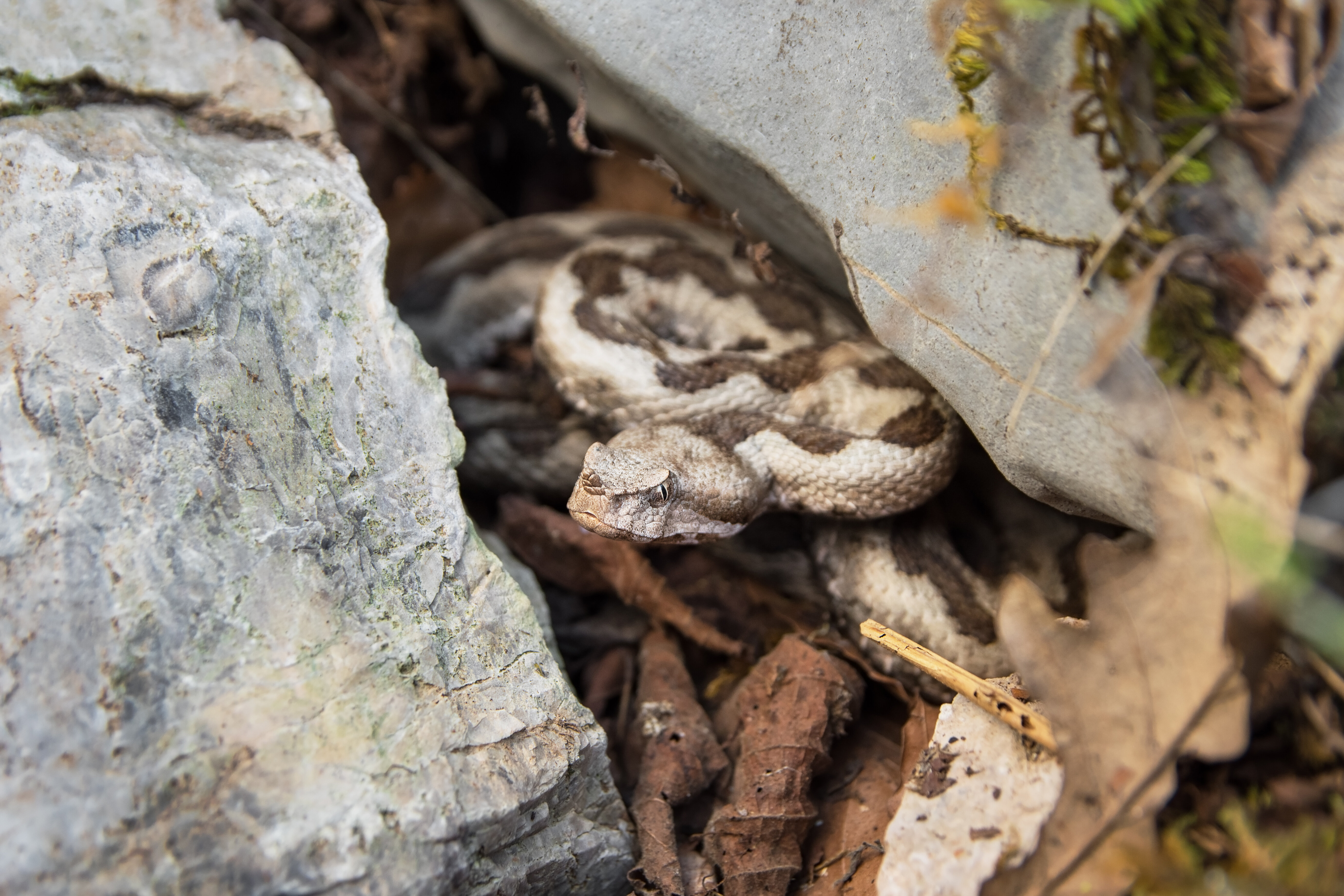
Exotic Case Studies from the Munich Reptile Rescue Center – African Spurred Tortoise, Horned Viper, and Corn Snake
Since 2025, the non-profit animal welfare organization “Auffangstation für Reptilien, München e.V.” (Munich Reptile Rescue Center) has been one of our customers. As the largest facility of its kind in Germany, the organization is responsible for the intake, care, rehabilitation, and rehoming of exotic pets and companion animals entrusted to it.
Before the introduction of our digital X-ray solutions, the rescue center relied on external facilities for diagnostic imaging. With our X-ray technology, examinations can now be performed directly on site. This eliminates time-consuming transportation while enabling flexible, fast, and independent diagnostics.
We are delighted that our X-ray systems can support and simplify the important work of the rescue center. We are also regularly provided with fascinating clinical cases. The animal welfare organization recently confiscated several snakes and two African spurred tortoises that had been kept under inadequate husbandry conditions. As the animals exhibited unusual behavior, they underwent radiographic examination.
Read more about our success story with the reptile rescue centre.
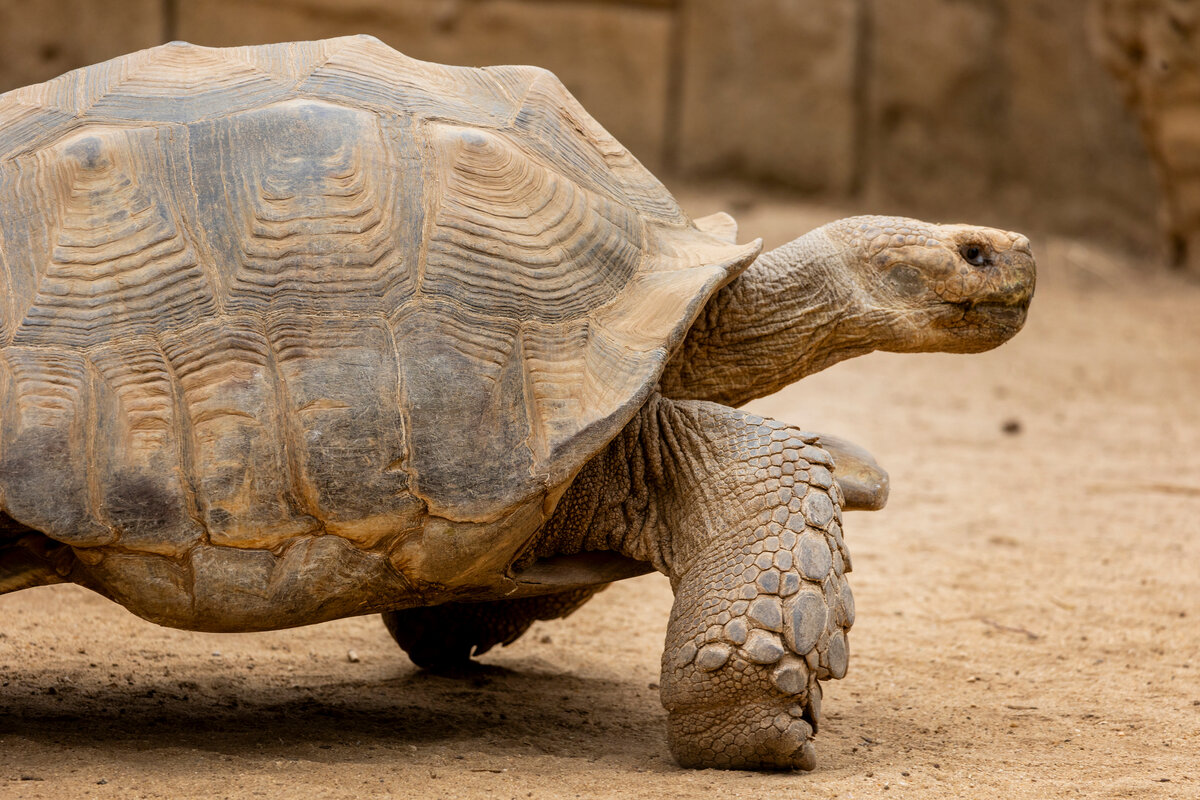
Case 1: African Spurred Tortoise
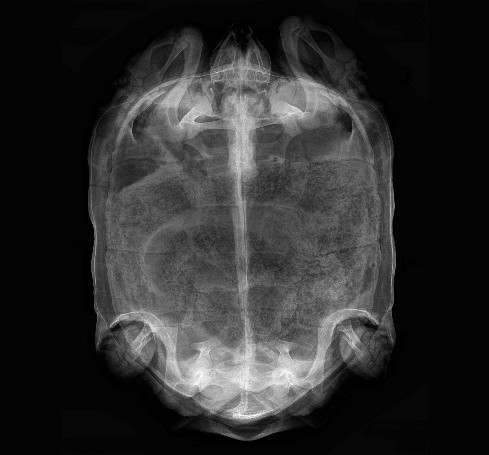
The radiographs of the African spurred tortoises revealed an overloaded gastrointestinal tract, even though the animals were actually undernourished (see Fig. 2). It was determined that, due to a lack of food, they had been eating bedding material and other debris, which resulted in intestinal blockages.
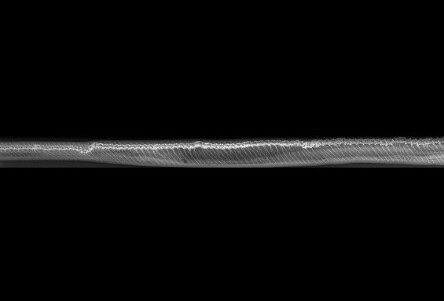
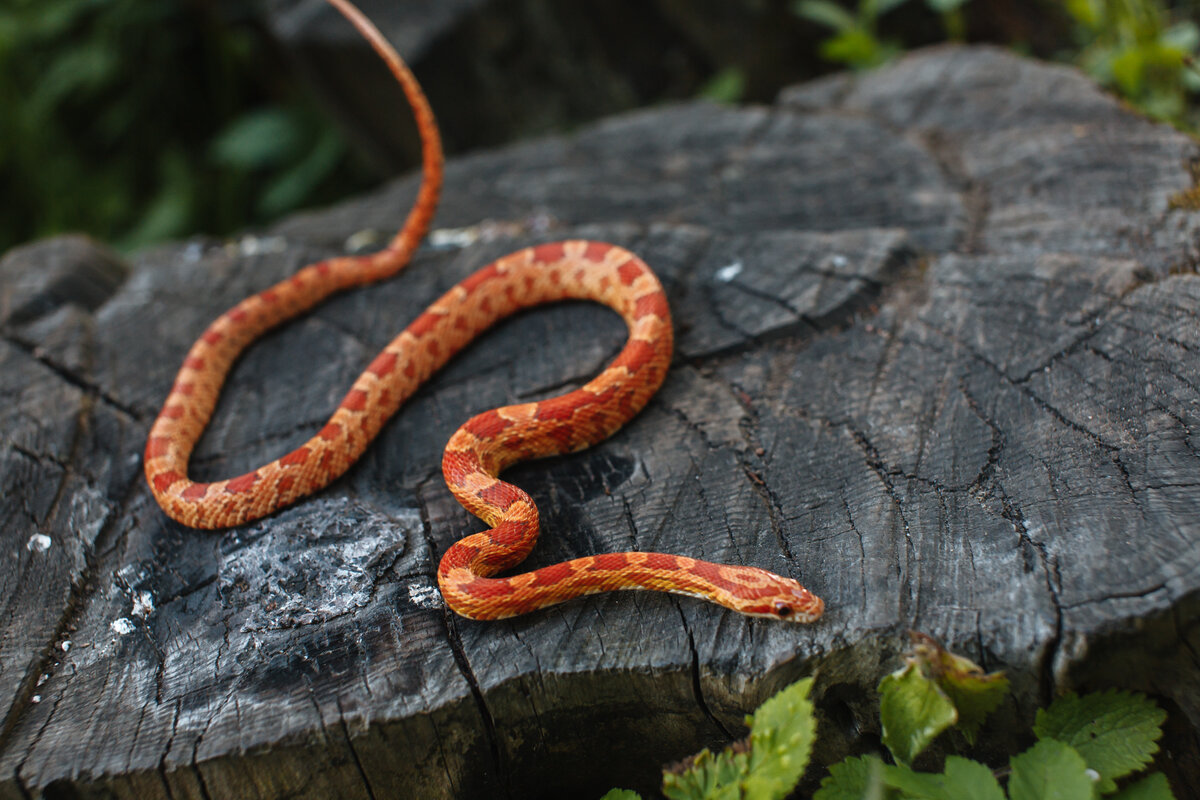
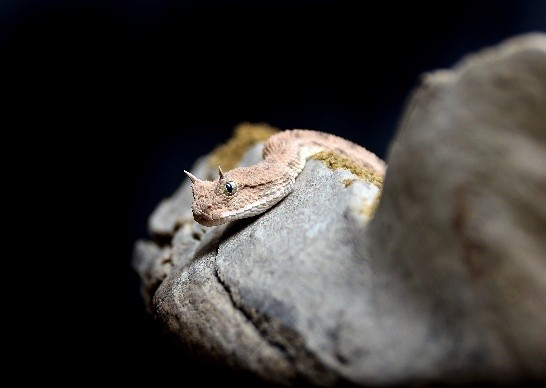
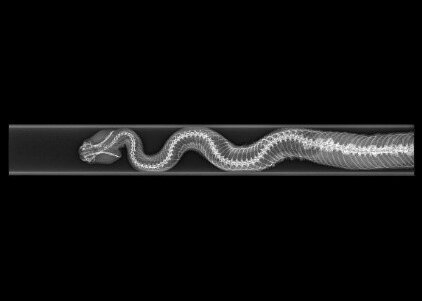
In a corn snake (see Figures 1 and 2) that was discovered at a construction site, and in a horned viper (see Figures 3 and 4) that had previously been surrendered to the rescue center, unusual structures were identified.
Initially, a spinal deformity was suspected. However, the subsequent radiographs clearly revealed that both animals were suffering from osteodystrophy. As a result of this condition, their mobility was severely impaired, and they were only able to exhibit their natural behavior to a very limited extent.
After a lengthy and careful evaluation of all available options, euthanasia proved unavoidable for animal welfare reasons.
A subsequent laboratory examination also revealed that the corn snake was suffering from a severe Salmonella infection, which the team at the reptile rescue center suspected may have been related to the underlying disease.
